

So, you’ve got a website (or maybe you don’t yet), but it’s not doing what you need it to. Maybe it’s not bringing in leads, or perhaps you feel like you’re just spinning your wheels. You know your business needs a site, but when it’s not working, it’s frustrating. So, what’s going wrong? And more importantly, how can you avoid it? Continue reading to learn Why Most Business Websites Fail, and how to avoid it.
The Big Problem: You’re Not Getting Leads
Look, you’ve got a website, but if it’s not converting visitors into customers, then you’re not really getting the return on investment you expected. And that’s the thing about websites, they’re meant to bring in business. Whether you’ve built your site yourself with Wix, Square, or something else, or you’ve just inherited one from your aunt’s friend who did it as a favor, there’s one thing that matters most: results.
But here’s the kicker, most small business websites fail because they focus too much on “looking pretty” and not enough on what actually works. So let’s fix that.
1. Your Website Isn’t Easy to Navigate
I get it, when you’re building a website, you want it to look sleek, modern, and well-designed. But if your visitors can’t find what they need quickly, they’ll just leave. That’s the reality.
How to Avoid It:
- Keep it simple. Your site doesn’t need to be a maze. Make it easy to find important information, like your contact details, your services, and anything that can help visitors understand what you do.
- Don’t over complicate things. Clear navigation, simple menus, and well-structured pages make a huge difference.
Test your site with someone who’s never seen it before. If they can’t figure out how to contact you within 5 seconds, it’s time for a redesign.
2. Your Website’s Not Mobile Friendly
Let’s face it: people spend a lot of time on their phones. A LOT. If your website isn’t optimized for mobile, you’re missing out on half your potential audience. But even more importantly, Google cares about this, and that means your site’s SEO could be suffering.
How to Avoid It:
- Responsive design is non-negotiable. This means your site should automatically adjust to whatever device it’s being viewed on, whether it’s a phone, tablet, or desktop.
- Always test how your website looks on different devices. If it’s a hassle to read on a mobile, it’ll be a hassle for your customers too.
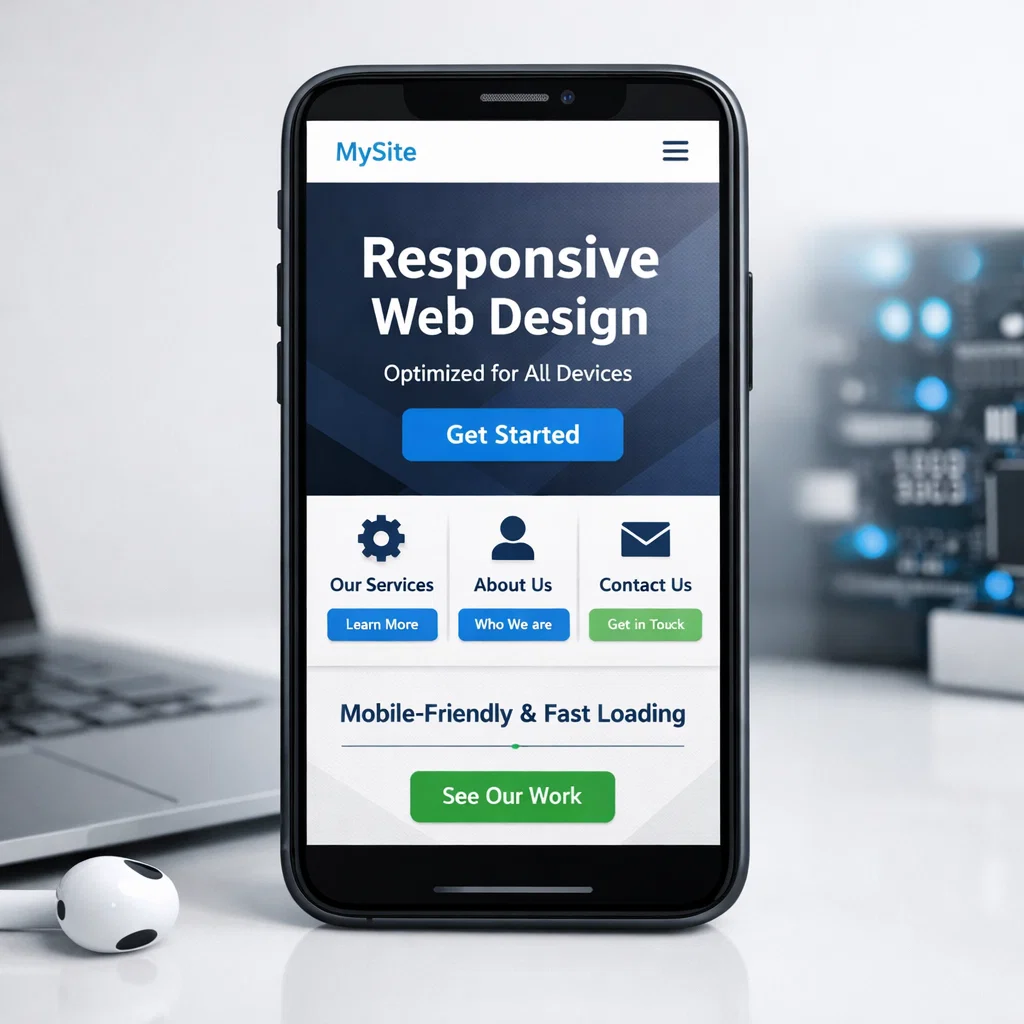
*Imagine browsing a restaurant menu on your phone, only to find the text too small to read or the buttons too tiny to press. Frustrating, right? Now picture your potential customers feeling the same way on your website!*
Want a free 5 minute website audit to see where your website stands? Check out this page.
3. Your Site Takes Forever to Load
Speed matters. A slow website is the kiss of death. If your page takes more than 3 seconds to load, visitors will leave. That’s a fact. And no one has time for slow websites.
How to Avoid It:
- Compress images and files. Heavy images can slow your site down like a lead balloon. Use free tools like TinyPNG to shrink them without losing quality.
- Choose a better hosting provider. If your host isn’t up to par, even the fastest website design won’t help.
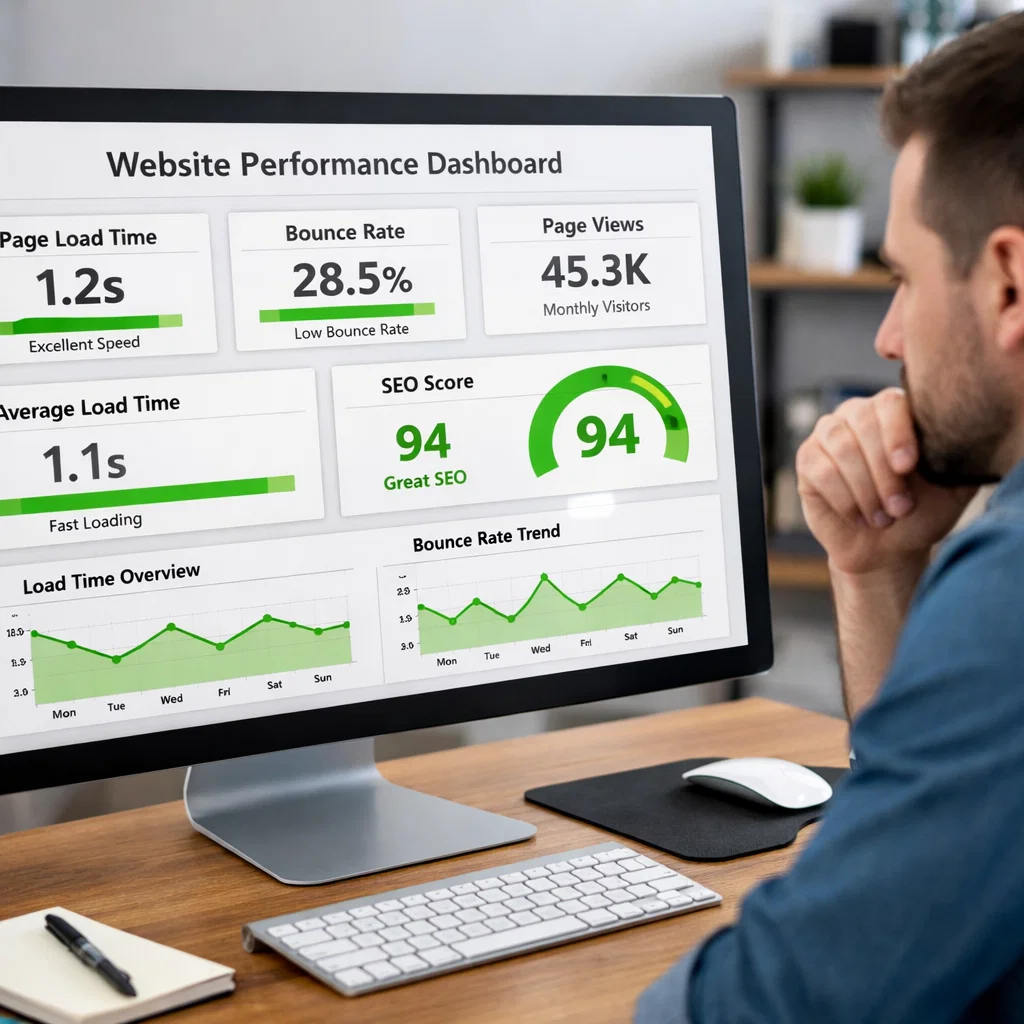
Use a tool like Google PageSpeed Insights to measure your site’s load time. If it’s over 3 seconds, it’s time to optimize.
4. Your Branding is All Over the Place
Imagine walking into a store with mismatched signs, fonts, and confusing product labels. Would you feel confident buying anything? Probably not. Your website’s branding needs to reflect who you are and what you stand for, consistency is key.
How to Avoid It:
- Use consistent colors, fonts, and imagery across your site. Your website should feel like an extension of your brand, cohesive and professional.
- If you haven’t already, get a logo designed (or refreshed) that represents your business well.
*Think of your favorite brand. Chances are, you instantly recognize their logo, color scheme, and tone of voice. That’s the kind of impact you want for your business website, recognition and trust built through consistency.*
5. You’re Not Using SEO to Your Advantage
If your site isn’t showing up in Google searches, how are potential customers going to find you? SEO isn’t a luxury, it’s a must. The good news is, you don’t have to be a pro to implement basic SEO.
How to Avoid It:
- Use targeted keywords that your potential customers are searching for. For example, if you’re a plumber, make sure your website includes phrases like “affordable plumbing services in [your city]”.
- Set up local SEO by claiming and optimizing your Google My Business profile. Google loves local results.
Be sure to include your city or region in your website’s keywords. “Plumbing services in Barrie” will do better than just “Plumbing services.”
6. Lack of a Clear Call to Action (CTA)
What do you want your visitors to do? Call you? Fill out a form? Book a consultation? If you don’t ask for it, they won’t know. A clear call to action is critical. It guides visitors and helps them take the next step.
How to Avoid It:
- Add clear, action-oriented CTAs like “Get a Free Quote” or “Contact Us Now.”
- Make sure these buttons are easy to find on every page.

*Imagine visiting a website, wanting to book a service, but there’s no obvious button or instruction on how to do it. Frustrating, right? Make it easy for your visitors to take action.*
So, What Can You Do?
Let’s be honest: a beautiful website is great, but it needs to work for your business. If your site isn’t bringing in customers or leads, it’s time for a change. A website that’s fast, easy to use, mobile-friendly, and SEO-optimized will not only help your business thrive, it’ll also build trust with potential clients.
Need Help Building a Site That Actually Works?
I get it. The world of web design can feel overwhelming, especially if you’re trying to do it yourself with DIY tools like Wix or Square. But that’s where I come in. Let’s create a website that not only looks great but actually helps your business grow. Get in touch today, and let’s get started on turning your website into a lead generating machine.
By avoiding these common pitfalls, your website will stand a much better chance of success. Ready to make it happen? Let’s talk.